

Here is another episode in the epic straggle to fend off accusers of Poland, of having build, and run death camps for Jews in Poland, during the World War two. The Poles tired of ignorant American journalists using in their publications, sloppy expression “Polish death camps”, track the usage of such language, and protest against it whenever they encounter it. An American soldier of Polish descent, mr Alex Storożyński,the head of Kosciuszko Foundation in USA, started even an action of gathering a million signatures under a protest against the use of such a defamatory language in American press.
„Polski obóz śmierci” znów w amerykańskiej gazecie29-11-2010, ostatnia aktualizacja 29-11-2010 05:11"Już 85 tysięcy osób protestuje przeciwko używaniu przez amerykańskich dziennikarzy określenia „polski obóz śmierci”. Mimo to obraźliwego terminu użył tygodnik „Time”
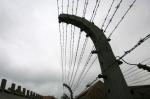
O „Poland’s Sobibor death camp” (polski obóz śmierci Sobibór) napisała w wydaniu z 29 listopada Claire Suddath, autorka krótkiego tekstu o współpracy amerykańskiego rządu z nazistami. Uwagę na błąd zwrócił już redakcji tygodnika „Time” amerykański dziennikarz i szef Fundacji Kościuszkowskiej Alex Storożyński, który zainicjował zbieranie miliona podpisów pod petycją przeciwko używaniu w amerykańskich mediach określenia „polski obóz”. Na stronie internetowej fundacji podpisało się już 85 tys. osób, m.in. były prezydent Lech Wałęsa, kompozytor Krzysztof Penderecki, reżyser Andrzej Wajda, były doradca ds. bezpieczeństwa prezydenta Cartera Zbigniew Brzeziński...."
However, I would like to point out that in this case, (Claire Suddath, weekly The Time, from 11/29/2010) the expression “Poland’s Sobibor death camp” is not the same as “Polish death camp in Sobibor”, and doesn’t necessary create, in the mind of an American reader, the impression that the author is talking about the death camp run by Poles. Critical is the context, and in this case, it is rather obvious that the author used perhaps clumsy expression, but didn’t have any evil intentions.
In conclusion, had she used the offensive, and untrue expression: “Polish death camp” the protest would have been justified. In this case however, we create an impression that Poles are overly sensitive when it comes to this subject, and we jump, whenever somebody hits the table, like we were a par of scissors, to use a Polish idiomatic expression, describing oversensitivity and jumpy reactions. Yeah, it is a challenge to understand each other, even in the frame of the same language environment, so much more so, when we deal with the language barrier.
Pragnę skromnie, zwrócić uwagę, że przetłumaczyć na polskie wyrażenie: " polski obóz śmierci" można by było taki zwrot angielski: "Polish death camp in Sobibor", zaś zwrot taki jak w artykule, czyli "Poland's Sobibor death camp", znaczy tyle co znajdujący się w Polsce, na jej terytorium i niekoniecznie wywołuje u czytającego Amerykanina wrażenie, że mowa o obozie stworzonym i prowadzonym przez Polaków. Gdyby kontekst tego artykułu był niejasny i wywoływał błędne impresje, oprotestowanie tego tekstu było by słuszne. A tak jest kontrproduktywne i stwarza wrażenie, że mamy uczulenie i podskakujemy kiedy tylko ktoś wali pięścią w stół. Jak, nie przymierzając, jakieś nożyce.


Komentarze
Pokaż komentarze (10)